Some of the best good news in Miami this fall arrived at a grocery checkout, in a chicken restaurant's kitchen, and in a Miami Beach mailing to more than 700 food businesses. Three separate efforts, one shared idea: when Miami businesses give back, the kindness multiplies fast. These are the Miami kindness stories worth knowing this week.
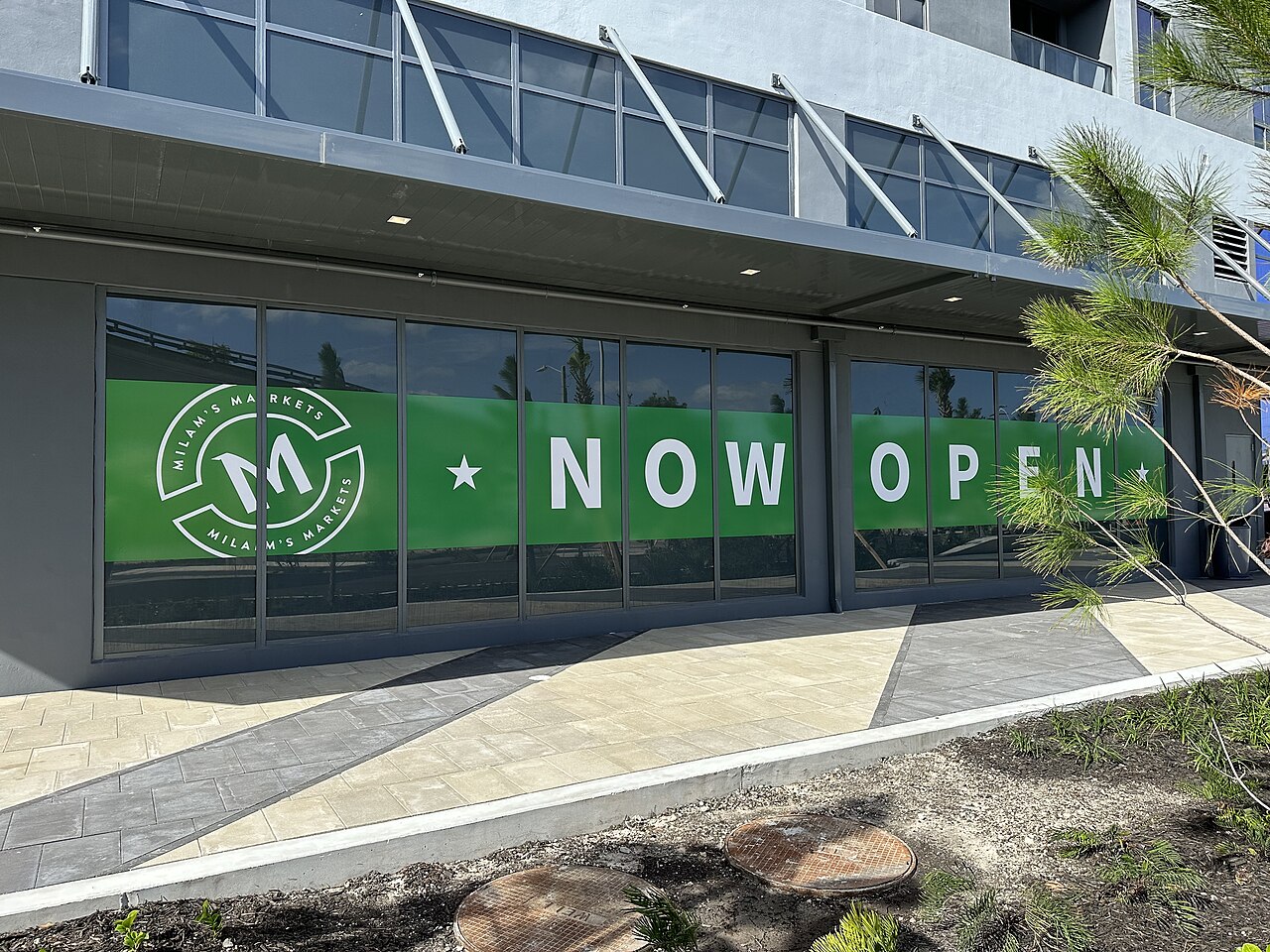
At Milam's Markets — Miami's family-owned grocer — shoppers turned checkout change into $42,494.39 for Camillus House. Camillus House, the Miami nonprofit that provides hospitality, essential services, healing, and pathways to housing for people experiencing homelessness, celebrated the result on October 15, 2026, at a check presentation at Milam's Pinecrest store. The ceremonial check was made out to Camillus House from the "Customers of Milam's Market," and Camillus said this year's register campaign surpassed last year's fundraising results. Chad Milam, the markets' chief administrative officer, Pinecrest store director Mirna, and Camillus House CEO Eddie Gloria were all there to mark it.
Across South Florida, every locally owned Chick-fil-A restaurant is now sharing its surplus food instead of throwing it away. Chick-fil-A announced on September 16, 2026 that all 38 of its locally owned and operated South Florida restaurants are participating in the company's Shared Table program — 100 percent participation, reached as of August 2026. The program redirects surplus food, including protein-rich items like filets, nuggets and eggs, to local nonprofit organizations and food banks, whose partners turn those donations into dishes like chicken and dumplings, chicken parmesan, chicken tacos and enchiladas. Since 2015, South Florida Chick-fil-A restaurants have donated enough surplus food to help create more than 408,000 meals through partnerships with 18 local nonprofits — including more than 9,500 meals in 2026. In Miami Lakes, local owner-operator Tony Sampayo is one of the operators putting his restaurant's surplus to work that way.
The need is real: according to Feeding South Florida figures cited in the announcement, food insecurity affects one in six people in the area, including one in five children.
Miami Beach is now making it easier for every restaurant and food retailer in the city to do the same thing. On November 3, 2026, the city announced a voluntary food waste diversion educational program — a 120-day pilot sponsored by Commissioner Laura Dominguez — that connects businesses to local food recovery organizations. Program materials are being distributed to more than 700 food retail businesses in the city, with direct contacts to four food recovery organizations ready to work with them: Food Rescue US, Farm Share, Nourish Miami and Feeding South Florida. There is no cost to businesses and no liability for donors, the city says. "I encourage every restaurant and food retailer in Miami Beach to take part so that surplus food reaches neighbors who need it," Mayor Steven Meiner said in the city's announcement.
None of these stories needed a gala. They needed a register, a kitchen, and a city willing to make the phone calls. That is Miami small business good news at its best — and exactly the kind of Miami giving back this page exists to celebrate: positive news in Miami, made by the people who feed Miami.