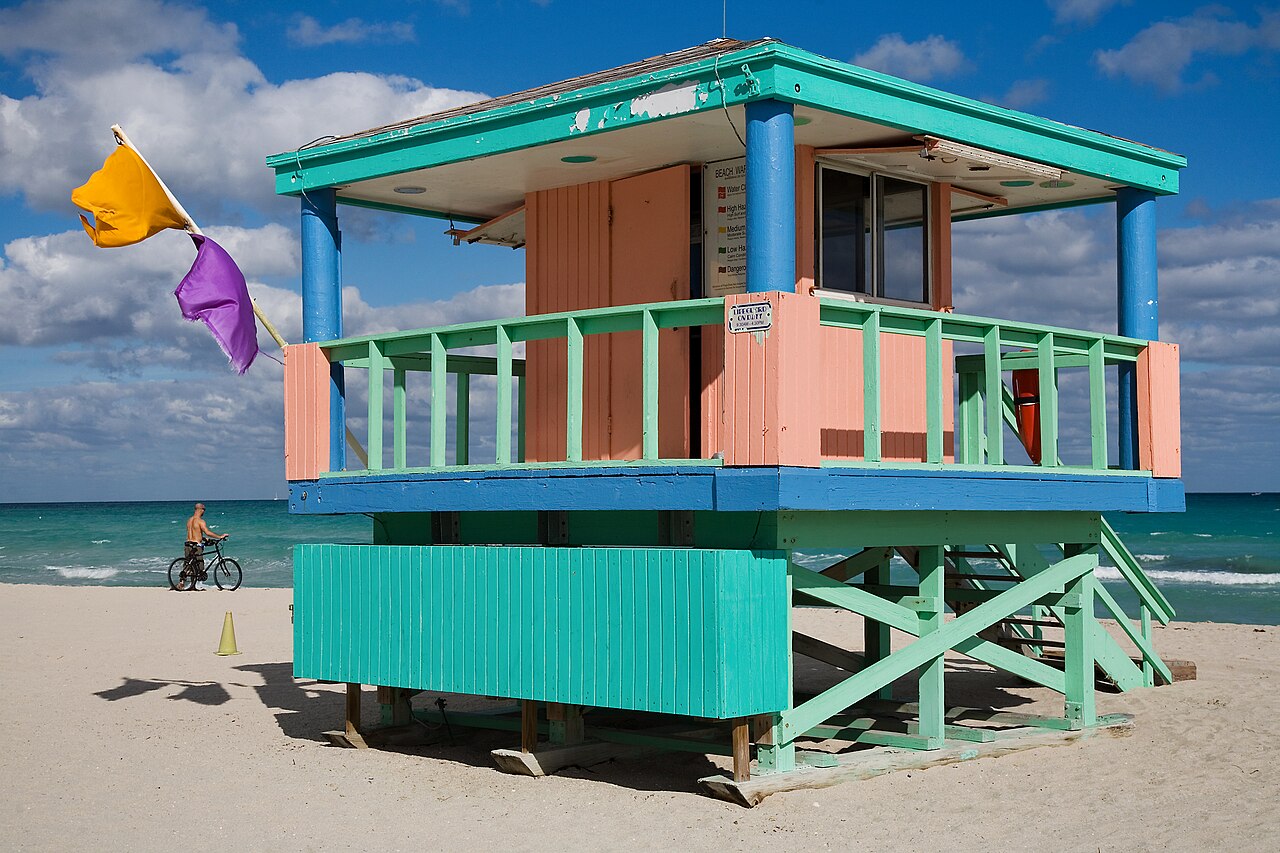
Here is some Miami Beach good news worth pausing for: the beach itself just won. The City of Miami Beach announced on November 5, 2026 that its 7.1 miles of beach and dune system took first place in the national “Best of the Best” Restored Beach Award from the American Shore and Beach Preservation Association — the top honor among restored beaches in the United States.
This was not a small field. The association announced the award last month as part of its centennial celebration in Atlantic City, New Jersey. Miami Beach finished ahead of nine other finalists, based on more than 2,800 votes cast nationwide, and out of 100 coastal projects reviewed for the competition, Miami Beach had the oldest renourishment project of them all — dating back to its successful completion in 1985. Four decades later, that same shoreline is still the one to beat.
Why it matters goes well beyond a trophy. Those 7.1 miles of sand and dunes are Miami Beach's first line of defense against sea level rise and major storms. “Our beaches and dunes are more than a tourist draw. They're our first line of defense against storms and rising seas, and I'm committed to keeping them strong for the next generation,” Mayor Steven Meiner said in the city's announcement, crediting decades of work by city staff, county and federal partners, and the leaders who came before.
The association's executive director, Nicole Elko, put it this way: “Miami Beach is an iconic restored beach and serves as the ultimate national gold standard for how large-scale beach nourishment can reverse environmental damage, provide critical storm protection and drive a historic economic turnaround.” The 1985 project kickstarted a longstanding regional beach erosion control and hurricane protection program, and periodic renourishment has replenished eroded shoreline ever since, through coordination among the City of Miami Beach, Miami-Dade County, the U.S. Army Corps of Engineers, and other state and federal partners.
A restored beach is also a living one. The city's broader coastal stewardship includes protecting and managing the dunes, native vegetation, and wildlife habitat for nesting sea turtles and other coastal species — the quiet green spaces Miami Beach wildlife depends on, tucked between the ocean and the skyline. It is the kind of Miami Beach positive news that hides in plain sight: the wide, soft shoreline locals walk every morning is habitat, infrastructure, and history at the same time.
And it is never finished. “Beach renourishment is not a one-time undertaking, as sand moves naturally through coastal systems, and beaches are continually affected by waves, currents, wind and storms,” explained Amy Knowles, the city's Chief Resilience Officer and Director of Environment and Sustainability. “Sustaining a healthy, usable shoreline requires long-term monitoring, periodic intervention and continued coordination among government partners.”
So the next time you cross the causeway and the beach opens up in front of you, know what you are looking at: 41 years of steady, unglamorous, well-coordinated work — now officially voted the best restored beach in America. That is Miami Beach good news, straight from the shoreline.
Sources
- City of Miami Beach — “Miami Beach Earns 'Best of the Best' Award for its Beaches,” November 5, 2026: the 7.1-mile beach and dune system, first place in the ASBPA Best of the Best vote, nine finalists, more than 2,800 votes, the 1985 renourishment, and remarks from Mayor Steven Meiner, Nicole Elko, and Amy Knowles.
- Red Sidewalks — “Miami Beach named top restored beach in national 'Best of the Best' vote,” November 5, 2026, reporting the city's announcement and the award details.